Homeowners often ask whether a lighter-colored roof will lower their summer cooling bills. It's a fair question — and the short answer is: color plays a role, but it's usually not the biggest factor.
How color affects heat
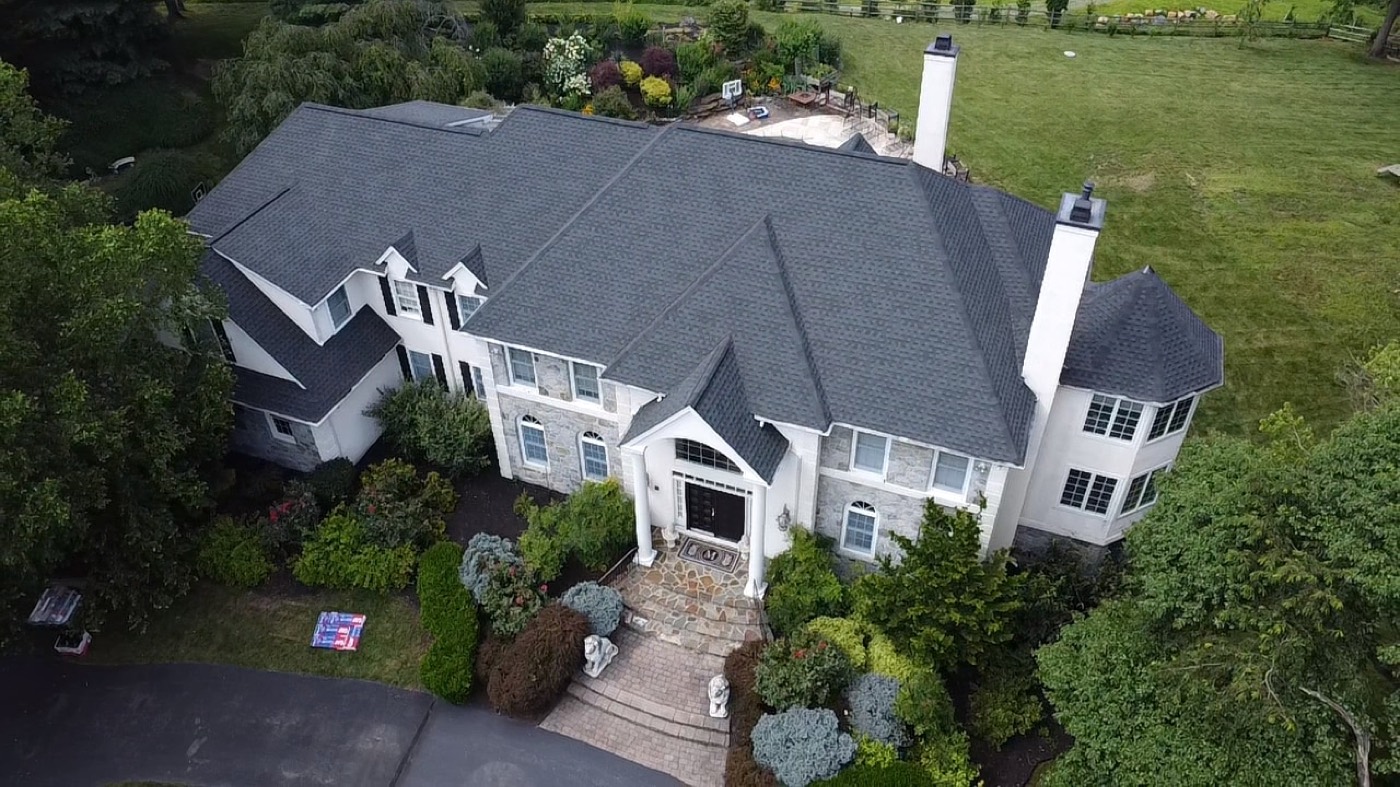
Dark shingles absorb more sunlight and get hotter; light shingles reflect more and stay cooler. On a hot day, a dark roof surface can run considerably hotter than a light one, which in theory means less heat pushed into your attic.
Why ventilation usually matters more
Here's the catch: what really drives your cooling costs is how well your attic breathes. A properly ventilated and insulated attic moves hot air out before it ever reaches your living space — often making more difference than shingle color alone. A dark roof with great ventilation can easily outperform a light roof with poor ventilation.
“Cool roof” shingles
If efficiency is a priority, ask about reflective or “cool roof” shingles. They're engineered to reflect more sunlight while still coming in a range of colors, so you don't have to choose between looks and performance.
The bottom line
In our climate, pick the color you love for your home's curb appeal — then make sure your attic ventilation and insulation are doing their job. That combination does more for your comfort and your bills than color by itself. (More on that in Roof Ventilation 101.)